The Best Foods to Support Your Metabolism (And Why Plant Protein Is the Answer You Have Been Overlooking)
By Leslie | Registered Dietitian and Founder, Wellbeing Nutrition Coaching | 8 min read
If you have been trying to eat better to lose weight, chances are you have been focused on what to cut out. Less sugar. Fewer carbs. Smaller portions. And while those things get a lot of attention, there is something that does not get nearly enough of it, and it is the one thing that actually makes weight loss feel easier, more sustainable, and honestly a whole lot less miserable.
It is not a supplement. It is not a detox. It is not anything new or complicated.
It is plants. Specifically, plant protein, which gives you something that no chicken breast or protein shake can offer on its own: protein and fiber together, in the same bite. And that combination is one of the most powerful things you can do for your body if you want to feel confident, energized, and in control of your eating without white-knuckling your way through every meal.
I also want to say this for every woman who has told me her life feels like it revolves around protein: I hear you. The pressure to hit a protein goal every single day can start to feel like another full-time job, and eating your weight in chicken breast gets old fast. Plant protein is a genuinely satisfying way to get more protein in without feeling like every meal is a chore. That is not a compromise. It is actually an upgrade.
Confidence around food does not come from restriction. It comes from feeling satisfied, clear-headed, and in control. Plant protein helps you get there.
Why Protein and Fiber Together Change Everything
Let me explain why this matters so much, because once you understand it, you are going to look at a bowl of lentils or a plate of chickpeas very differently.
Most of us know protein is important. It keeps you full, supports your muscle, and takes more energy for your body to digest than fat or carbs do, which means just eating it gives your body a little extra work to do. That is a good thing.
And most of us have heard that fiber is good for us. It keeps things moving, it feeds the good bacteria in your gut, and it slows down how fast food leaves your stomach, which means you stay full longer.
But here is what most people have never been told: when you get protein and fiber at the same meal, they work together in a way that neither one does alone.
The protein tells your brain you are satisfied. The fiber slows everything down so that satisfaction lasts. Your blood sugar stays steady instead of spiking and crashing. Your hunger hormones stay calm instead of surging. And you get to your next meal without feeling desperate, distracted, or like you are fighting your own body.
That is not a small thing. That is the whole game.
The reason so many women feel out of control around food is not a willpower problem. It is a blood sugar problem. And plant protein with fiber is one of the most effective ways to fix it.
Plant Protein for Weight Loss: What the Research Actually Shows
This is not just a theory. The research here is genuinely exciting, and I want to share it with you in a way that actually means something for your everyday life.
You feel fuller for longer
A study published in Obesity found that eating foods like lentils, beans, and chickpeas made people feel about 31% fuller after a meal compared to other foods with the same number of calories. That is not a small difference. That is the difference between finishing dinner and feeling satisfied versus finishing dinner and immediately looking for something else.
And when you feel genuinely full after a meal, something really important happens: you stop thinking about food. The mental chatter quiets down. You can move through your evening without being pulled toward the kitchen every twenty minutes. That is what food freedom actually feels like, and plant protein is one of the most direct paths to it.
You naturally eat less without trying
Research has found that when people ate bean-based meals instead of meat-based meals with the same number of calories, they ended up eating about 12% fewer calories at their next meal without even trying to. Not because they were following a plan. Not because they were tracking. Just because their body was satisfied in a way it had not been before.
For women who have spent years feeling like they need to monitor and control everything they eat just to stay on track, this is a big deal. Imagine making food choices because you are genuinely not that hungry, not because you are gripping your plan tightly enough to get through the day.
Your metabolism gets support, not stress
A 16-week clinical trial looking at plant protein and body composition found that participants who shifted toward plant-based protein sources saw improvements in weight, body fat, and how their body handled blood sugar. And a 2024 review in Frontiers in Endocrinology confirmed that high-protein diets provide measurable benefits for weight loss and keeping that weight off long term.
Here is the part I want you to sit with: these results came from adding something in, not taking something away. That is the opposite of every diet you have ever been on. You are not restricting. You are nourishing. And your body responds to being nourished in a completely different way than it responds to being deprived.
The Best High Fiber Protein Foods to Add to Your Meals
So what does this actually look like on your plate? Inside my Metabolic Plate Method, I actually categorize foods like beans, lentils, and chickpeas as metabolic carbs. That name matters, because these are not the kind of carbs that spike your blood sugar and leave you crashing an hour later. They are the kind that come packaged with protein and fiber, which means they do the opposite: they steady your energy, support your metabolism, and keep you satisfied. Here are the ones I come back to again and again with my clients, because they are affordable, accessible, genuinely delicious, and they do exactly what we have been talking about.
Lentils
One cup of cooked lentils gives you about 18 grams of protein and 16 grams of fiber. They cook in about 20 minutes with no soaking required, they take on whatever flavors you cook them with, and they work in soups, salads, bowls, and even pasta sauce. They are one of the most underrated foods in the grocery store, and they cost almost nothing.
Black beans and chickpeas
Half a cup of black beans gives you about 7 to 8 grams of protein and 7 to 8 grams of fiber. Chickpeas are similar and are also incredibly versatile. You can throw them into a salad, roast them for a crunchy snack, blend them into hummus, or add them to any grain bowl. Women who eat beans regularly have been shown to have nearly 4% lower body fat and a 4 centimeter smaller waist circumference on average compared to women who do not. That is from consistent, regular inclusion, not a crash plan.
Edamame
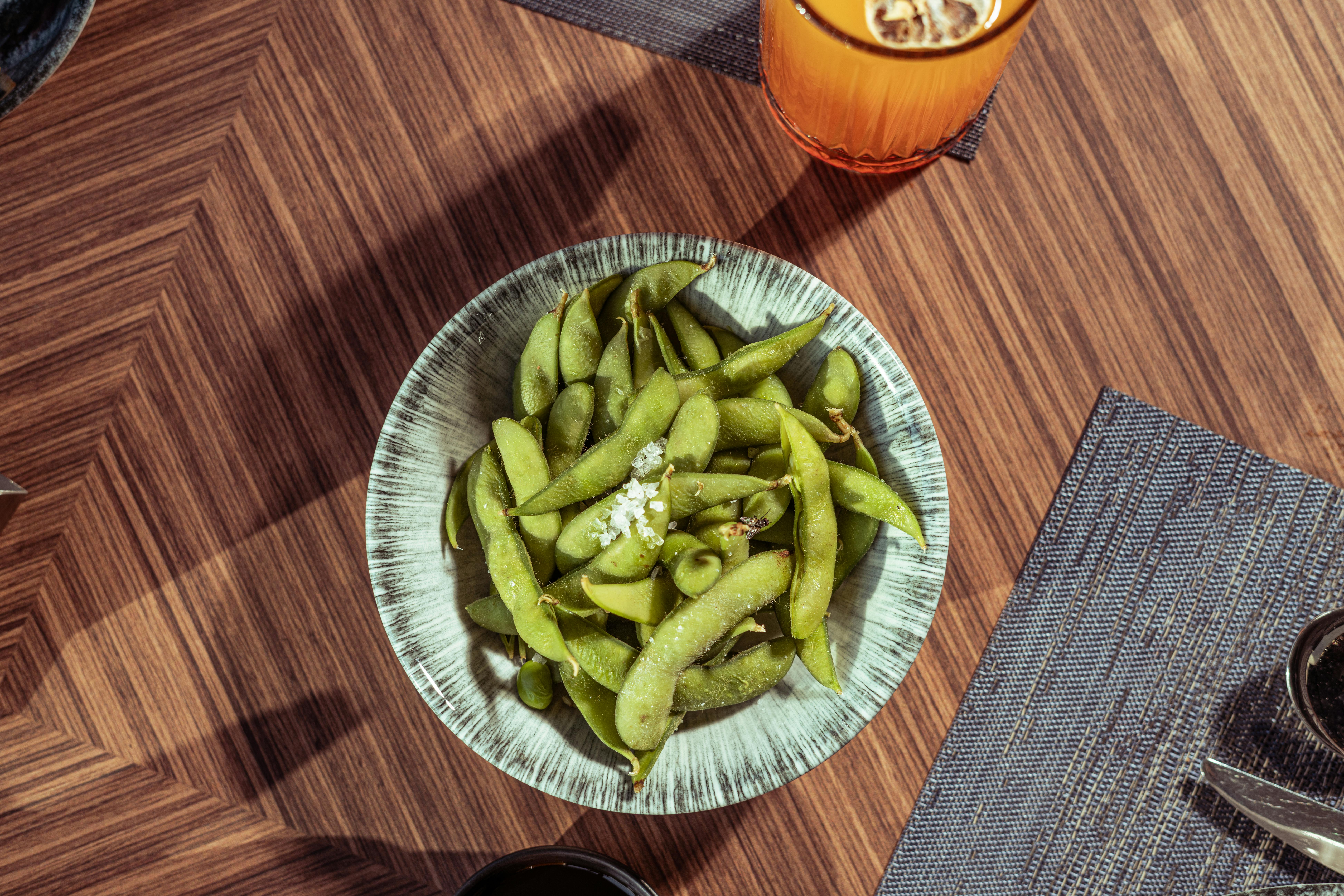
Edamame is actually a complete protein, meaning it has everything your body needs, which is fairly rare in plant foods. One cup gives you about 17 grams of protein and 8 grams of fiber. It is also one of the easiest things to keep on hand, frozen and ready to go, and it works as a snack, a side, or mixed into stir fries and grain bowls.
Tempeh
If you have never tried tempeh, it is made from fermented soybeans and it is genuinely one of the most satisfying plant proteins out there. Three ounces gives you about 16 grams of protein along with a good hit of fiber. It is hearty enough to be the main event of a meal, and it is great for women who want something that actually feels filling and substantial.
Split peas
Not as trendy as the others, but incredibly effective. One cup of cooked split peas gives you about 16 grams of protein and 16 grams of fiber. Great in soups, great as a base for bowls, and great for your budget.
You do not need a complete diet overhaul. You just need to start adding these foods in consistently. One meal at a time is enough to start feeling the difference.
Foods That Boost Metabolism: Why This Is Not About Eating Less
I want to take a minute here and be really honest about something, because I think it matters.
When most women come to me, they have spent years trying to shrink what they eat. They have cut carbs, counted calories, tried cleanses, skipped meals, and done everything right according to a plan that was never actually designed for how their body works. And a lot of them feel like failures, even though the plans were the problem, not them.
The conversation about foods that boost metabolism tends to get hijacked by gimmicks. Thermogenic supplements. Cayenne pepper shots. Celery juice. Things that either do not work or work so minimally that they are not worth the effort or the cost.
What actually moves the needle is simpler and way more satisfying: eating foods that keep your blood sugar steady, give your body the protein it needs to maintain muscle, and keep you full enough that you are not fighting cravings all day. That is what plant protein with fiber does. Consistently. Without drama.
And here is the confidence piece, because this is what I care most about: when you are not constantly thinking about food, when you are not white-knuckling through your afternoon because you are hungry but you feel like you should not eat, you show up differently. You have more energy. You are more patient. You feel more like yourself. You stop spending mental energy on food and start spending it on your actual life.
That is the real result. Not just a smaller number on the scale. A woman who feels steady, capable, and confident in how she is taking care of herself.
How to Start Adding Plant Protein to Your Day
The goal here is not to overhaul everything at once. It is to start adding these foods in regularly and let your body show you what it feels like to be consistently well-fueled. Here is how to make it simple:
- Start with one meal — pick one meal a day where you swap in or add a plant protein. A handful of chickpeas in your lunch salad, lentil soup for dinner, or edamame as an afternoon snack. One meal at a time adds up fast.
- Keep canned beans stocked — canned black beans, chickpeas, and lentils take about 30 seconds to use. Rinse and add them to whatever you are already making. No recipe required.
- Pair them with what you already eat — you do not need to build entirely new meals. Add beans to your existing dinners, throw lentils into your existing soups, or mix chickpeas into your existing grain bowls. Lower lift, same benefit.
- Notice how you feel — this is the part most people skip. Pay attention to your energy in the afternoon. Notice whether you are reaching for something sweet an hour after lunch. Notice whether the mental food chatter gets quieter. That is your body telling you something is working.
The research is clear, and the experience my clients have is even clearer. When women start eating this way consistently, they stop feeling like they are fighting themselves. They feel satisfied. They feel energized. And they start trusting their body again, which is the foundation that makes everything else possible.
What Confidence Around Food Actually Feels Like
I want to paint a picture for you, because I think it is easy to read about protein and fiber and think this is just nutrition information. It is more than that.
Imagine getting through your entire workday without that mid-afternoon crash where you can barely concentrate. Imagine sitting at dinner with your family and actually being present in the conversation instead of calculating what you ate and what you can still have. Imagine going to a party, eating what sounds good, and not spending the rest of the night feeling guilty about it.
That is not a fantasy. That is what happens when your body is actually well-fed and your blood sugar is actually steady. The mental noise around food does not disappear because you have more willpower. It disappears because your body finally has what it needs and stops sending urgent distress signals all day long.
This is why I talk about food as a confidence issue, not just a weight issue. When you feel in control of how you eat, you feel in control of your life. You make better decisions. You show up more fully. You stop feeling like food is something you have to manage and it becomes something you just enjoy.
Plant protein is not a magic fix. But it is one of the most reliable, research-backed, genuinely satisfying ways to start feeling that way. And once you feel it, it becomes a lot easier to keep going.
Food should give you energy for your life, not take energy away from it. That shift starts with what you put on your plate.
Frequently Asked Questions
Do I need to eat only plant protein to see these benefits?
Not at all. You do not need to go fully plant-based to get the benefits of plant protein. Even adding beans or lentils to a few meals a week can make a real difference in how full you feel, how steady your energy is, and how much mental energy you spend thinking about food. Think of it as adding in, not replacing everything.
Will eating more beans and lentils make me gain weight?
No. The research actually shows the opposite. Because of the combination of protein and fiber, plant proteins tend to help people eat less overall without trying to, because they are genuinely satisfied. Regular bean and legume eaters consistently show lower body weight and smaller waist measurements than people who do not eat them. The key is eating them as part of real, balanced meals, not as a side note to an otherwise poor diet.
I have heard plant protein is not as good as animal protein. Is that true?
Animal proteins are generally absorbed a little more quickly, and some plant proteins are lower in certain amino acids. But for the purposes of everyday health, weight management, and feeling good, plant proteins are excellent. The fiber they bring to the table is something animal protein simply cannot offer, and that fiber is a big part of why plant proteins are so effective for managing hunger, steadying energy, and supporting fat loss over time. The two can absolutely coexist in a healthy diet.
What if I do not like beans or lentils?
Most people who say they do not like beans have not had them prepared in a way that actually tastes good. Canned beans rinsed and thrown cold into a salad are not very exciting. But lentil soup with good seasoning, crispy roasted chickpeas, or a well-seasoned black bean bowl is a completely different experience. I would encourage you to try a few different preparations before writing them off. The 5-Day Confident Body Challenge includes 15 metabolism-supporting recipes that make this easy and genuinely delicious.
How quickly will I notice a difference?
Most women notice something within the first week when they add plant proteins in consistently. Usually it starts with energy: fewer afternoon crashes, less of that desperate hungry feeling before meals, more steadiness throughout the day. The food noise tends to quiet down noticeably within a few weeks. Weight changes take longer, but the way you feel day to day starts shifting pretty quickly.
Want to Feel This Difference in Just 5 Days?
Everything we have talked about in this post is the foundation of what I teach inside the 5-Day Confident Body Challenge. Over five days, you will get one focused lesson per day on the habits that actually support your body, including exactly how to use foods like plant protein to feel full, energized, and genuinely good in your skin.
This is not a cleanse. It is not a restriction plan. It is five days of learning what your body actually needs and proving to yourself that you can follow through. A lot of women tell me that by Day Three they already feel different. More energy. Less food noise. A little more like themselves.
Here is what is waiting for you:
- A daily lesson on the one habit that matters most for your metabolism that day
- A daily challenge that builds real confidence and proof you can trust yourself
- A printable habit tracker so you can see yourself following through
- 15 metabolism-supporting recipes including plant protein meals that are fast, filling, and actually good
It is $17. On demand. You can start today.
Join the challenge at wellbeingnutritioncoaching.com/confident-body-challenge
You do not need more willpower. You need food that actually works for your body. Let me show you what that looks like.
Sources
1. Li, S.S. et al. Dietary Pulse Consumption and Weight Loss: Systematic Review and Meta-Analysis. Obesity, 2014. https://pubmed.ncbi.nlm.nih.gov/24820437/
2. Barnard, N.D. et al. Plant Protein as Part of a Plant-Based Diet on Weight Control and Body Composition. PMC/Nutrition and Metabolism, 2018. https://www.ncbi.nlm.nih.gov/pmc/articles/PMC6221888/
3. Kahleova, H. et al. Impacts of Dietary Animal and Plant Protein on Weight and Glycemic Control. Frontiers in Endocrinology, 2024. https://www.frontiersin.org/journals/endocrinology/articles/10.3389/fendo.2024.1412182/full
4. Guarneiri, L.L. et al. Protein, Fiber, and Exercise: A Narrative Review of Their Roles in Weight Management. Lipids in Health and Disease, 2025. https://pubmed.ncbi.nlm.nih.gov/40652221/
5. Linus Pauling Institute. Legumes. Oregon State University. https://lpi.oregonstate.edu/mic/food-beverages/legumes
CATEGORY
5/21/2026

Comments Off on